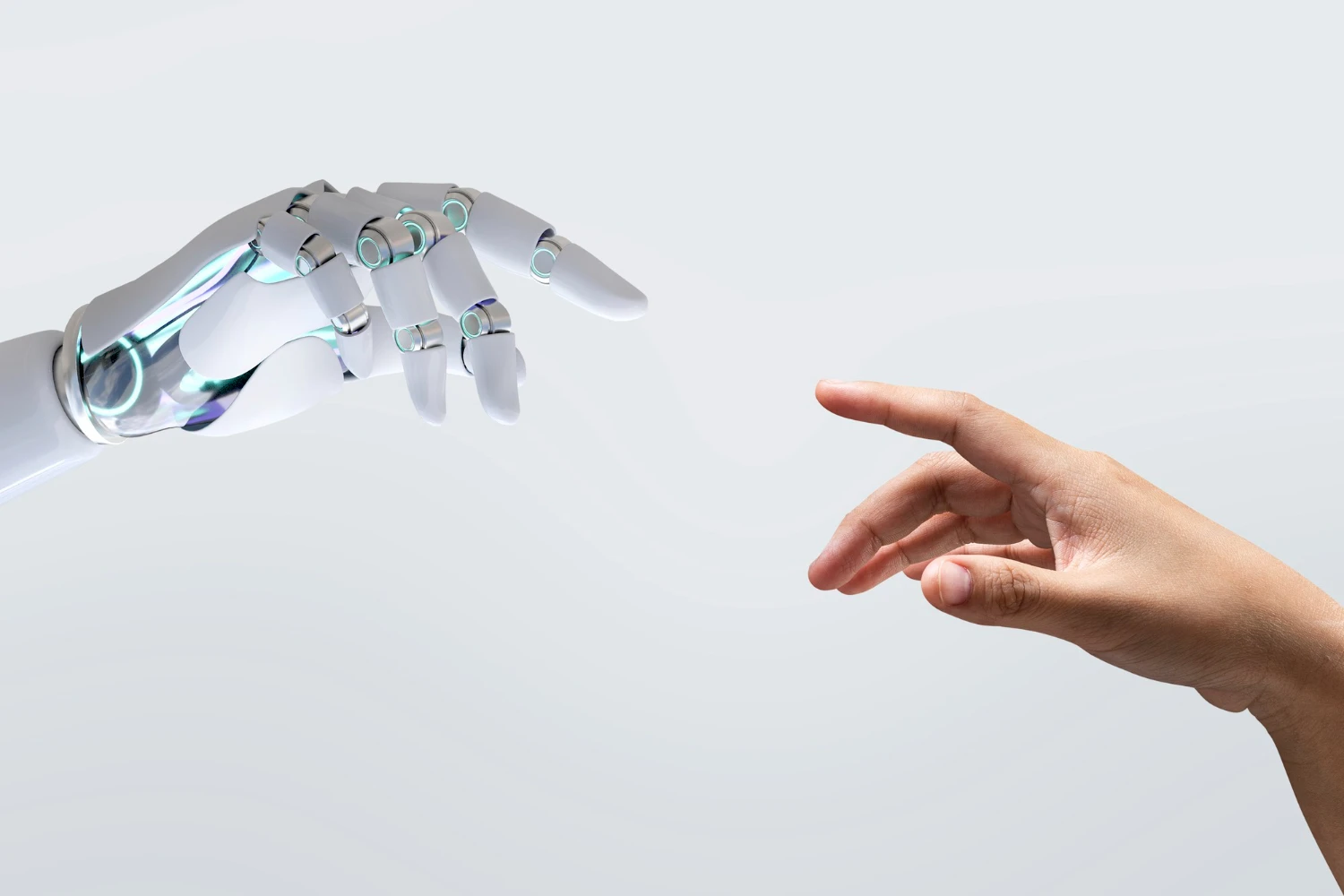

These days, it seems like AI is everywhere. It has become a big part of our lives, from smart assistants in our homes to programs that help us write emails. And when it comes to making and creating websites, there has been a substantial rise in AI-generated sites that appear practically instantaneously, often with just a few simple written prompts.
AI can certainly seem magical at first glance. You just come up with a few prompts that are specific to what you have in mind, click a button, and voilà—a website appears. It sounds incredibly convenient, and for very basic, temporary needs, it might even get the job done. But how far can we really push AI before its limitations become painfully clear?
There are numerous AI tools available that claim to generate a website within minutes. However, upon closer inspection, you’ll frequently discover that these instant sites lack the quality, polish, and genuine functionality you would anticipate from a truly impactful online presence. It’s like being offered a beautifully wrapped gift box. It looks appealing on the outside, drawing you in with the promise of something spectacular. But when you open it up, you might find it’s either empty or contains something far less valuable than you anticipated.
The Illusion of Instant Websites: Beyond the Pretty Package
Think about that “pretty gift box” for a moment. AI provides you with a basic framework of a website, along with a basic structure and a touch of color. It might look passable on a quick glance, but when it comes to the actual substance needed for a website to thrive, it often falls short. To make an AI-generated website truly work the way it should—to be robust, adaptable, and genuinely useful—it often needs a significant amount of extra effort, time, and specialized knowledge. Sadly, some people are so eager to launch a website that they overlook these key elements. They may not think about whether the site can grow with their business or if it meets their long-term goals.
The big problem with AI-generated websites is that they often struggle to tailor the site truly to your specific, unique needs. Let’s say you ask for a website with a certain theme, like one for a vibrant new yoga studio or a professional dental practice. AI might provide the basic layout and common images. But when it comes to all those tiny, intricate details that make a website genuinely appealing, truly user-friendly, and run smoothly—like a custom booking system that integrates perfectly with your calendar, a unique gallery layout that showcases your work in the best light, or specific interactive elements that engage your target audience—that’s when the challenges begin. All of a sudden, users realize it’s going to take a lot more work and specialized knowledge to get that website looking and acting exactly how they imagined. They often lack the skills or experience to make those complex, precise changes themselves.
This often leads to frustration. What many people don’t realize is that even after using an AI generator, they’ll still likely need a skilled designer and developer who truly understands the intricacy of web design and development. It takes a human expert to take that basic, AI-produced design and refine it, customize it, troubleshoot it, and turn it into the polished, functional, modern, and potentially award-worthy masterpiece it could be meant to be. They’re the ones who can unlock its full potential, ensuring it not only looks good but also performs flawlessly and gets results.
The Undeniable Value of Human Skill and Creativity
It’s easy for those who don’t fully grasp what goes into building a truly effective website to underestimate the immense skill, knowledge, and sheer effort needed. They might think, “Oh, it’s just putting pictures and words on a page.” However, creating a decent, functional website, let alone a custom, unique design that could potentially win industry awards, requires far more. It demands creativity, technical expertise, problem-solving skills, and a profound understanding of user behavior.
Remember, automation does not apply to all jobs equally. Sure, AI can perform tasks that are simply about following rules or repeating actions quickly and efficiently. These are the jobs that should be automated, freeing up human potential for more complex, creative endeavors. But there will always be a unique and irreplaceable place for man-made creations in any type of work that needs a creative and personal touch. So, never let anyone downplay the importance of good design and development just because “AI can do it too.” That statement fundamentally misunderstands what goes into true design.
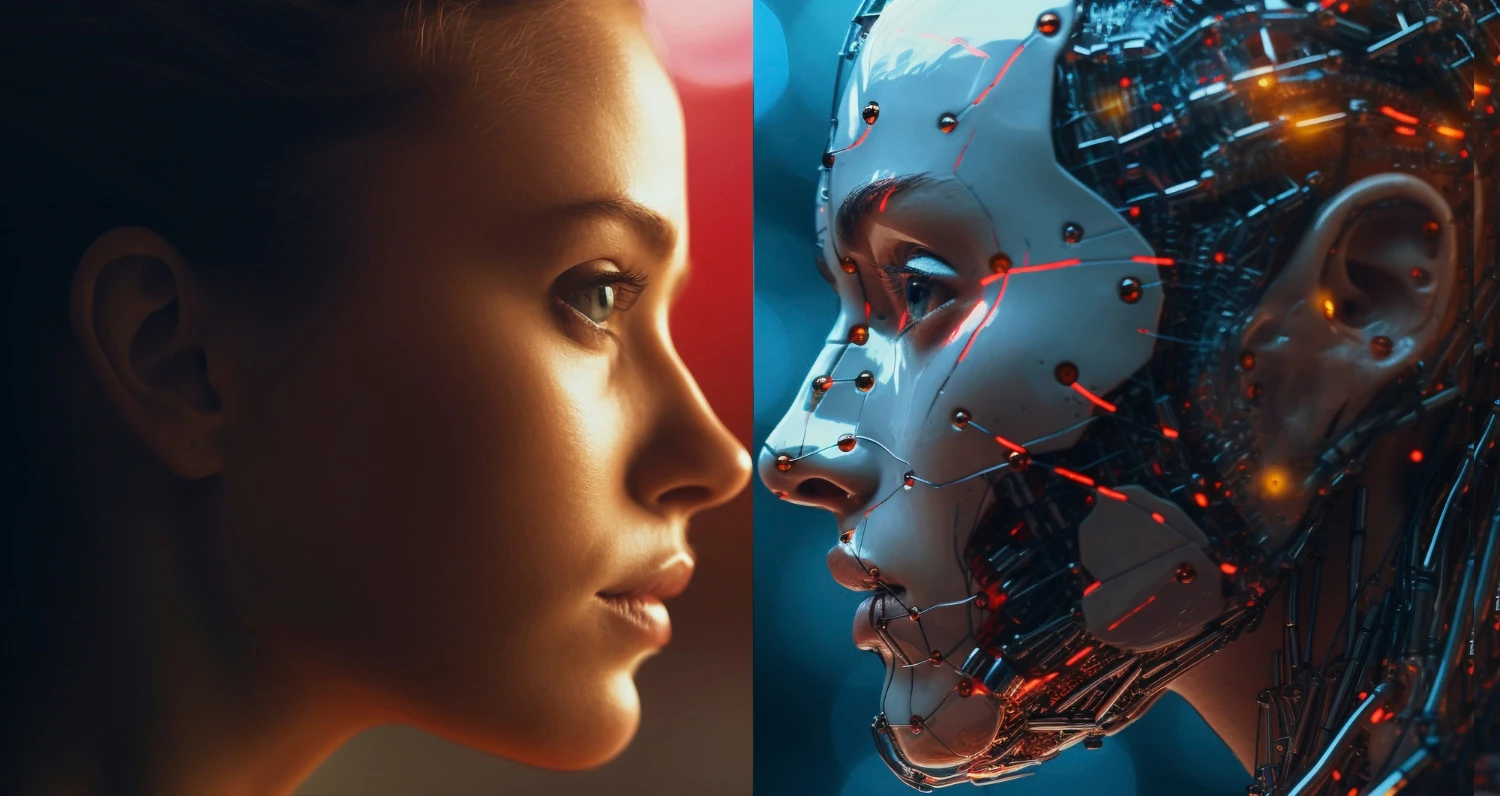
Why? AI, by its very nature, lacks a true understanding and comprehension of what real people genuinely want and need. It processes data and patterns, but it doesn’t understand emotions, subtle nuances, cultural context, or the deeply personal aspirations behind a business. People design for people. We connect with human needs and desires. We all have incredible imaginations that spark the most wonderful and inspiring ideas for what we want our websites to be – ideas that are born from lived experience, empathy, and creative insight that AI simply doesn’t possess.
As designers and developers, we create a digital world where websites are more than just something to look at and scroll through. We transform them into a full-blown experience as you click through the pages, engaging your senses and guiding you on a seamless journey. The endless possibilities we have to creatively design and develop what is essentially a work of art (at its best, anyway!) go far beyond what AI is truly capable of, no matter what anyone says. We bring that emotional connection, that strategic vision and that meticulous attention to detail that make a website not just a tool but a powerful extension of a brand’s identity and mission.
Conclusion: Websites That Resonate, Built by Humans
While AI presents promising opportunities and can streamline certain aspects of the web development process, it is evident that it cannot completely replace the thoughtful, intuitive, and deeply personal process of human web design and development. The true power of a website lies not just in its functionality—its code and its features—but in its ability to connect with an audience on an emotional level, reflect a brand’s unique spirit, and achieve specific human-driven business goals.
Human empathy, creative problem-solving, strategic foresight, and years of hands-on experience truly shine in this context. So, next time you think about building or revamping your website, remember that for a digital space that truly resonates, inspires, and helps your business grow, you need the irreplaceable touch of human ingenuity, passion, and understanding. AI can build a framework, but only a human can build a bridge to your audience’s hearts and minds.